
Two trenchless methods
- Pipe lining
- A resin-soaked liner is pulled into the old pipe and cured in place, forming a new pipe inside the old one. It works when the old pipe is cracked or leaking but still holds its shape.
- Pipe bursting
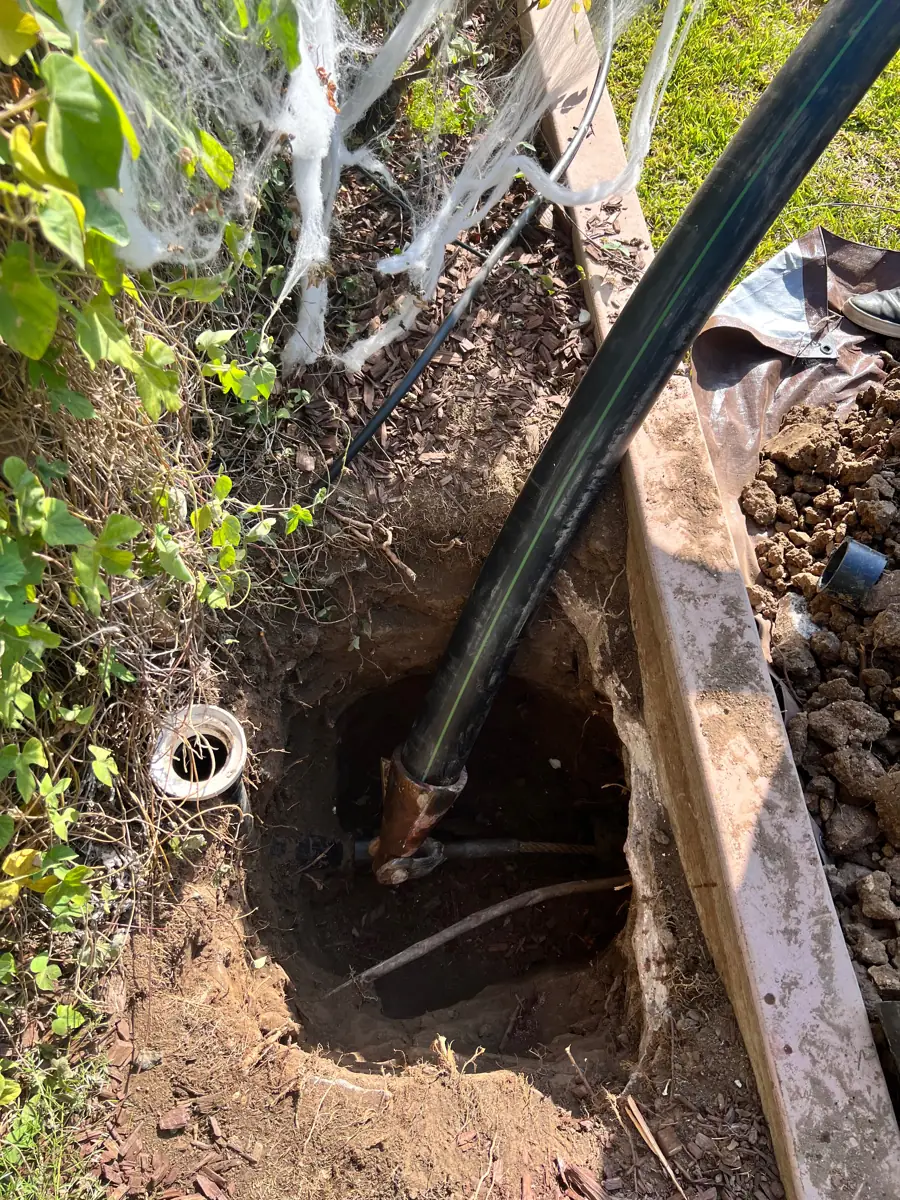
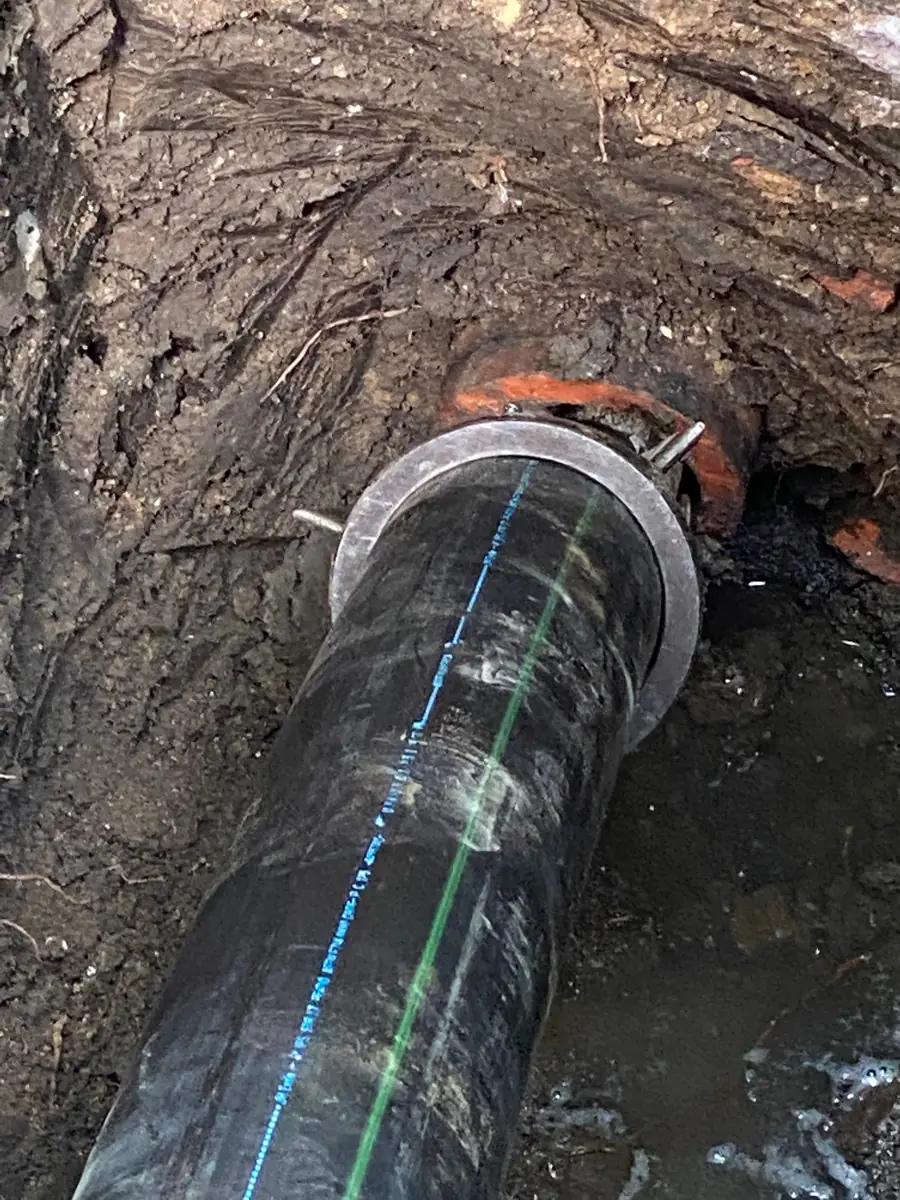
- A bursting head is pulled through the old line, breaking it apart while pulling a new pipe in behind it. It works when the old pipe is collapsed or too damaged to line.
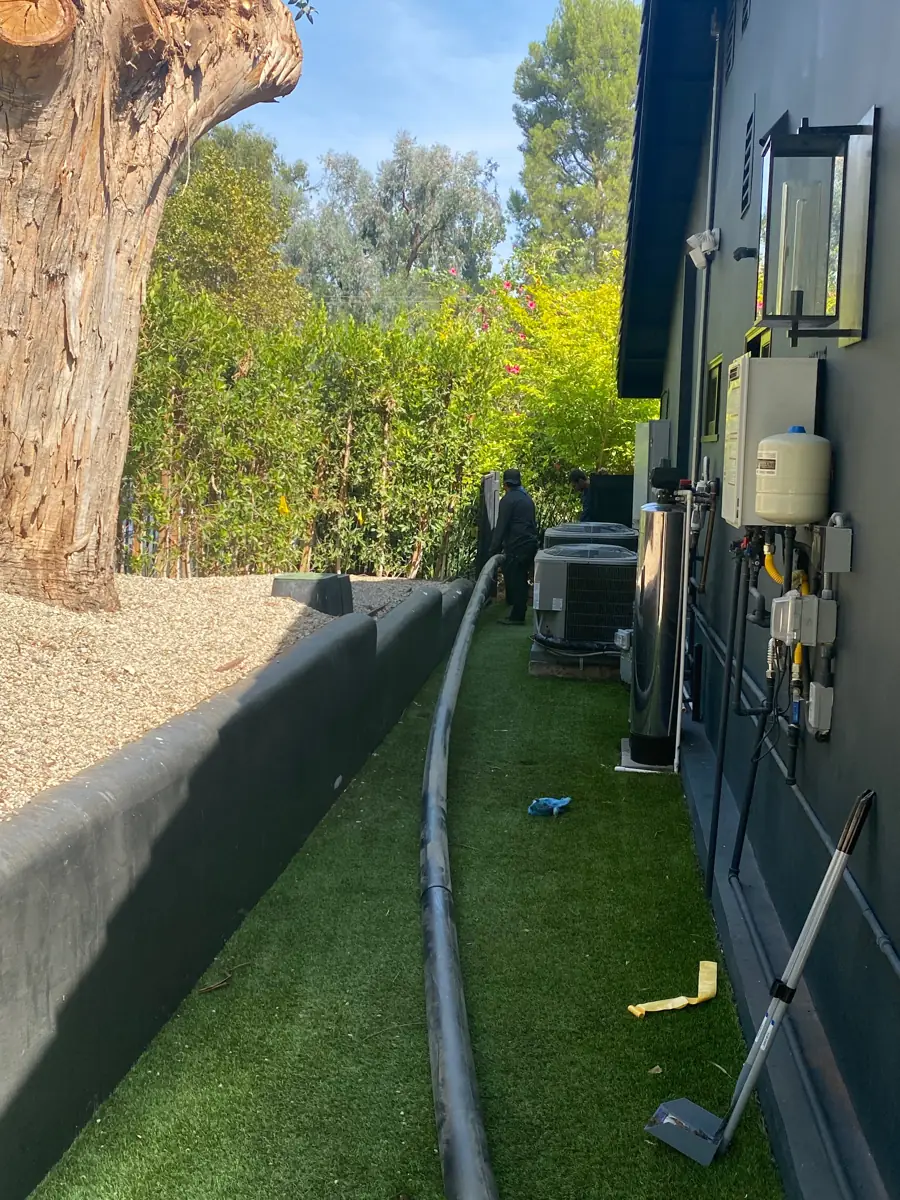
Both methods need only small access holes at each end of the line instead of a trench along its whole length.
Signs your sewer line is failing
- Main-line clogs that keep coming back after cleaning
- Sewage smell in the yard or the house
- Soggy or unusually green patches of lawn over the line
- Gurgling toilets and drains
- Tree roots pulled out during drain cleaning
Why it's common in the Valley
Many Valley homes built in the 1950s and '60s still have their original clay or cast-iron sewer lines. Roots work their way into clay joints, and cast iron corrodes from the inside over time.
Lifetime warranty
Trenchless repairs we complete are backed by a lifetime warranty. Ask for the written terms with your estimate.
Recent work
Questions
Is trenchless cheaper than digging?
It depends on the length and depth of the line and what sits on top of it. Trenchless often comes out ahead once you count the cost of restoring a driveway, patio or landscaping after a dig. We'll price both so you can compare.
Does trenchless work on every sewer line?
Not always. A line with a severe sag or certain kinds of collapse may need a traditional dig for part of its length. We'll tell you which method fits your line.